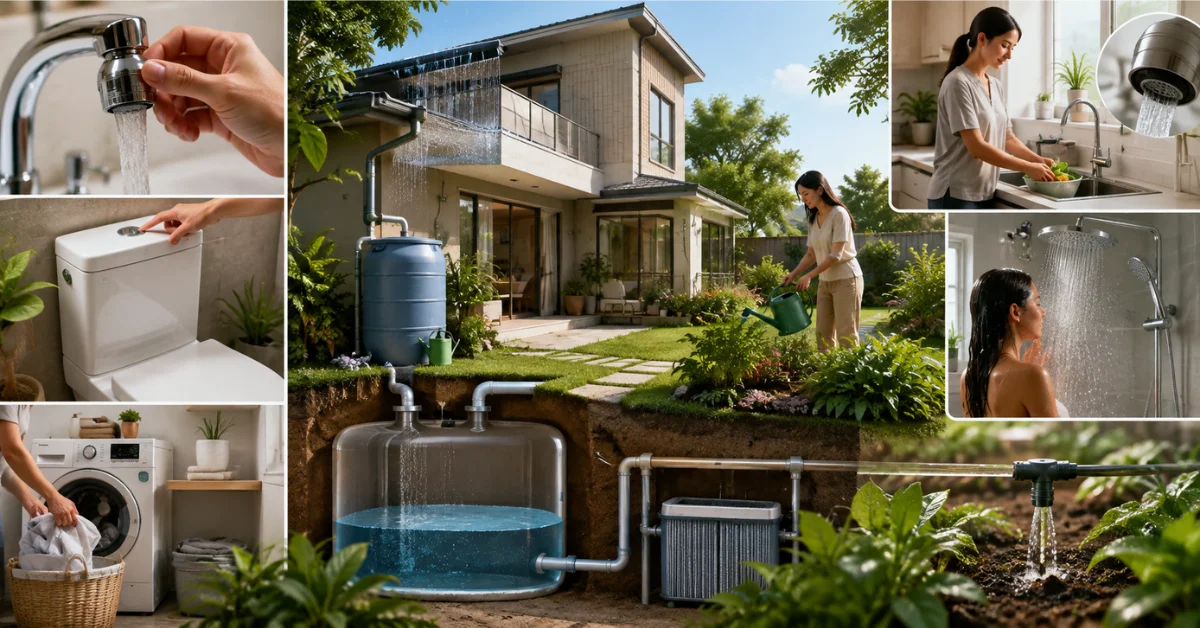
If you have ever opened a water bill and wondered where all that money went, you are not alone. Learning how to save water at home is one of the simplest ways to cut monthly expenses while doing something good for the planet. The good news is that you don’t need to renovate your entire house or spend a fortune on new equipment. Most of the changes that help you save water at home come down to small daily habits and a few smart upgrades.
Why You Should Save Water at Home
Water is often treated like an unlimited resource, but in reality, fresh water supplies are under pressure in cities all over the world. When you save water at home, you are reducing the strain on local reservoirs, lowering the energy used to treat and pump water, and shrinking your own utility bill at the same time. It’s a rare situation where the environmentally responsible choice and the financially responsible choice are exactly the same thing. That’s why more homeowners are actively searching for water saving tips for home use, and why water conservation tips have become a regular topic in home improvement circles.
Start With the Bathroom
The bathroom is usually where the most water disappears, so it’s the best place to begin if you want to save water at home. A running toilet can waste hundreds of liters a day without you even noticing, so check the tank periodically for silent leaks. Shorter showers make a huge difference too — cutting your shower time by even two minutes can save water at home consistently over a month. Installing low-flow fixtures such as aerated showerheads and faucets is one of the most effective water saving tips for home bathrooms, since they reduce flow without reducing water pressure that you actually feel.
Fix Leaky Faucets Immediately
A dripping tap might seem harmless, but a single leaky faucet can waste thousands of liters a year. If you’re serious about learning how to save water at home, make it a habit to fix leaky faucets and pipes as soon as you spot them. A worn-out washer or a loose connection is usually a cheap and quick fix, and it stops water loss that adds up silently in the background. This is one of those water conservation tips that pays for itself almost instantly.
Rethink the Kitchen
The kitchen is another place where you can save water at home without much effort. Instead of running the tap while washing dishes, fill a basin with water. If you have a dishwasher, only run it with a full load — modern water-efficient appliances use far less water per cycle than washing by hand under a running tap. When rinsing fruits and vegetables, use a bowl of water instead of a continuous stream, and reuse that leftover water to hydrate houseplants. These habits make it easy to save water at home every single day without thinking twice.
Laundry and Appliance Habits
Your washing machine is a major water user, so choosing water-efficient appliances when you upgrade is a smart long-term move to save water at home. Until then, run full loads instead of half-empty ones, and select the appropriate water level setting if your machine allows it. Many newer models also offer eco settings specifically designed to reduce water bill totals without sacrificing cleaning performance.
Outdoor and Garden Tips
Gardens and lawns can quietly consume more water than the entire house combined, especially in warmer climates. To save water at home outdoors, water your plants early in the morning or late in the evening to reduce evaporation. Mulching flower beds helps the soil retain moisture longer, meaning you’ll water less often. Rainwater harvesting is another excellent option — setting up a simple barrel under a downspout lets you collect free water for the garden instead of relying on the tap. It’s one of the most satisfying water conservation tips because you can literally watch your storage tank fill up after every rainfall.
Small Habits That Add Up
Beyond fixtures and appliances, everyday behavior matters just as much. Turn off the tap while brushing your teeth or shaving. Keep a jug of drinking water in the fridge instead of running the tap until it turns cold. Sweep driveways and patios instead of hosing them down. None of these actions feel dramatic on their own, but together they represent a genuine shift toward eco-friendly home habits that consistently help you save water at home.
Track Your Progress
If you want to know whether your efforts are working, compare your water bills month over month. A noticeable drop confirms that your new water saving tips for home use are paying off. Some utility companies also offer free home water audits, which can pinpoint exactly where you’re losing the most water and give you a customized plan to reduce water bill amounts even further.
Final Thoughts on How to Save Water at Home
Learning how to save water at home doesn’t require a complete lifestyle overhaul. It starts with awareness — noticing where water is being wasted — and continues with small, consistent changes in the bathroom, kitchen, laundry room, and garden. Whether it’s installing low-flow fixtures, choosing water-efficient appliances, or simply learning to fix leaky faucets right away, every step brings you closer to a lower bill and a smaller environmental footprint. Start with one or two changes this week, and you’ll be surprised how naturally the rest follow as you build the habit to save water at home for good.
FAQs
What is the easiest way to save water at home?
The easiest way is fixing leaky faucets and running toilets right away, since they waste water constantly without you noticing. Combined with shorter showers, this alone can noticeably lower your monthly water bill within weeks.
How much water can low-flow fixtures actually save?
Low-flow showerheads and faucets can cut water use by 25 to 60 percent compared to standard fixtures, while still maintaining comfortable pressure. Over a year, this adds up to significant savings on both water and heating costs.
Is rainwater harvesting worth it for a small home?
Yes, even a single rain barrel connected to a downspout can supply enough water for garden use during dry spells. It reduces reliance on tap water and is a low-cost first step into water conservation.
Do water-efficient appliances really make a difference?
Modern water-efficient washing machines and dishwashers use significantly less water per cycle than older models or handwashing. Over several years, the savings on both water and energy bills typically outweigh the upgrade cost.
How can I save water at home during summer?
Water your garden early morning or late evening to reduce evaporation, use mulch to retain soil moisture, and avoid hosing down outdoor surfaces. Indoors, shorter showers and full laundry loads help even more during hot months.
Does turning off the tap while brushing teeth really save much water?
Yes, a running tap can waste several liters per minute, so turning it off while brushing can save a surprising amount over a year. It’s one of the simplest daily habits with zero cost involved.
Leave a Reply